If you're a bride-to-be shopping for a wedding dress in Southern California or Los Angeles and you're currently taking a GLP-1 medication or considering one before your wedding, there are some important things to think about when it comes to your wedding dress.
At Lovella Bridal, a luxury bridal boutique in Glendale and the Los Angeles area, we've seen an increasing number of brides experience significant body changes between ordering their wedding dress, beginning alterations and actually walking down the aisle. And because bridal gowns are typically ordered months in advance and tailored specifically to your measurements, those changes can have a major impact on sizing, fit and alterations.
This isn't about whether you should or shouldn't lose weight before your wedding, and it's not medical advice about GLP-1 medications. That's a conversation to have with your healthcare provider. Instead, Nayri, Wedding Fashion Expert and bridal stylist at Lovella Bridal, is sharing what she's seeing firsthand in the bridal salon and what brides should consider if their bodies may be changing throughout the wedding dress shopping and alteration process.
Watch the Video: GLP-1s, Wedding Dress Shopping & Alterations
Watch the full video below as Nayri shares what brides taking GLP-1 medications should know about wedding dress shopping, ordering the right bridal gown size and planning alterations.
The biggest takeaway? Communication and timing matter. If you expect your measurements to change between ordering your wedding dress and your wedding day, your bridal stylist and seamstress need to know so they can help you plan accordingly.
Don't Wait to Lose Weight Before Wedding Dress Shopping
One of the most common questions we hear from brides who plan to lose weight is: Should I wait until I reach my goal weight to shop for my wedding dress?
In most cases, we don't recommend waiting.
Many made-to-order wedding dresses can take approximately six to eight months to arrive. In a perfect world, we recommend purchasing your wedding dress about one year before your wedding. This gives you the widest selection of bridal gowns, allows time for potential production or shipping delays and leaves approximately two months for alterations.
Waiting too long because you're hoping to reach a particular weight can significantly limit your options.
Some bridal designers offer rush production for an additional fee, while others don't offer rush orders at all. You may also have the option of purchasing a sample wedding dress off the rack or choosing a gown a designer already has in stock, but availability in your preferred style and size isn't guaranteed.
Your body does not have to reach a particular size before you deserve to have an amazing wedding dress shopping experience.
Shop for the Body You Have Now
Instead of postponing your bridal appointment until you reach a certain number on the scale, start shopping when your wedding timeline says it's time.
One piece of advice Nayri regularly gives brides is to shop even if you're not currently feeling your most confident about your body. If you find a wedding dress that makes you feel beautiful now, you'll know you genuinely love the gown rather than making your decision dependent on how you hope your body will look months from now.
Your bridal stylist can then help you navigate sizing based on your current measurements, wedding timeline and anticipated changes.
Be Honest With Your Bridal Stylist About Your Weight-Loss Plans
If you anticipate significant body changes before your wedding, tell your bridal stylist.
We're not here to judge your choices. We need the information because it can affect which wedding dress size we recommend ordering.
And one thing we generally do not recommend is ordering a wedding dress dramatically smaller than your current measurements with the expectation that you'll fit into it by your wedding.
Wedding dress sizing isn't simply about choosing a numerical size based on how many pounds you expect to lose. Your stylist needs to consider your actual bust, waist and hip measurements and how those measurements relate to the construction of the wedding dress you've chosen.
Your stylist may be able to discuss different sizing options with you based on your measurements and goals, but the goal should always be making a thoughtful decision rather than gambling on a future size.
Weight Loss Doesn't Happen Evenly Across Your Body
This is one of the most important factors to understand when ordering your wedding dress.
You can't necessarily predict exactly where your measurements will change.
Two brides could lose a similar amount of weight and experience completely different changes in their bodies. One bride may lose significant volume in her bust while retaining more through her hips and thighs. Another bride's measurements may change differently.
That's particularly important with wedding dresses because bridal sizing is based on measurements, not simply body weight.
For example, if you're purchasing a fitted wedding dress and your hips are currently your largest measurement, your stylist may need to order a gown that comfortably accommodates your hips and thighs. If your waist and bust become smaller, those areas can potentially be addressed during alterations.
This is why saying, "I'm planning to lose 20 pounds, so I'll order two sizes smaller," isn't a reliable wedding dress sizing strategy.
Think About How Your Body Has Changed With Weight Loss in the Past
While no one can guarantee where your body will change, your past experiences may give you useful information.
When you've lost weight before, where did you tend to notice it first? Did your bust measurement change significantly? Did you maintain more volume through your hips and thighs? Did your waist change quickly?
Share that information with your bridal stylist.
It may help your stylist think through how the silhouette and construction of your particular wedding dress could interact with future measurement changes.
GLP-1s Can Complicate Your Wedding Dress Alteration Timeline
The biggest challenge we've seen isn't necessarily brides losing weight before their weddings. Brides' bodies have always changed between purchasing their wedding dresses and walking down the aisle.
The challenge is when measurements continue changing significantly throughout alterations.
Wedding dress alterations involve opening seams, reshaping the gown and closing everything again. If your seamstress alters your wedding dress to your measurements at your first fitting and you've changed significantly by your second fitting, she may need to redo work she already completed.
That can mean additional alteration costs.
For example, if a seam has already been altered and your measurements subsequently change enough that the seam needs substantial additional work, you're essentially asking the seamstress to perform that service again.
It's not simply one continuous alteration. The original work may need to be opened and redone.
Why Stabilizing Before Wedding Dress Alterations Can Help
From a wedding dress fitting perspective, the ideal situation is for your measurements to be relatively stable when alterations begin.
Nayri recommends, when possible, reaching the point where you plan to maintain your measurements approximately two months before the wedding, then discussing that plan with the medical professional overseeing your GLP-1 treatment.
To be clear, your bridal salon or seamstress should not tell you how to use, dose, reduce or stop a prescription medication. Those decisions belong between you and your qualified healthcare provider.
But your bridal team can tell you when they need stable measurements to achieve the best possible fit.
Bring that timeline to your healthcare provider and discuss what is medically appropriate for you.
What Happens If You Keep Losing Weight During Alterations?
This is where communication with your seamstress becomes especially important.
If you know your measurements are still changing rapidly, beginning major alterations too early may not make sense. At the same time, waiting until the last minute creates another problem: your seamstress needs enough time to actually complete the work.
Before deciding to delay alterations, confirm that your seamstress has the availability, staffing and ability to accommodate a later fitting schedule.
This is something to discuss early, not a few weeks before your wedding.
Your seamstress can help create an alteration timeline based on your wedding date, gown construction and expected measurement changes.
Your Wedding Dress Can Fit at the Final Fitting and Still Be Too Big at the Wedding
One of the more surprising situations Nayri has encountered is seeing a wedding dress fit perfectly at a bride's final fitting and then appear significantly too large by the wedding day because the bride's body continued changing.
That's a frustrating situation for everyone involved because the gown was correctly fitted to the bride's measurements at the time of the fitting.
If you anticipate continuing weight changes very close to your wedding, your bridal stylist and seamstress should know.
The goal is to coordinate your dress timeline with your real-life timeline as much as possible.
Don't Forget About How You Feel During Wedding Dress Appointments
There is another consideration that has nothing to do with the number on the scale: how you physically feel.
Nayri has seen some brides arrive for appointments reporting symptoms such as dizziness or lightheadedness while taking GLP-1 medications.
Wedding dress appointments and alterations involve standing, changing in and out of structured gowns and sometimes spending a significant amount of time on your feet.
If you're experiencing medication side effects, talk with your healthcare provider. From a practical bridal-shopping standpoint, you may also want to schedule appointments at a time when you typically feel your best and let your stylist know if you need to sit down or take a break.
Communication Is the Most Important Part of the Process
Your bridal stylist and seamstress can only plan around the information they have.
If you're actively losing weight or expect your measurements to change significantly, be upfront about it from the beginning.
That allows your bridal stylist to consider your bust, waist and hip measurements when recommending an order size. It also allows your seamstress to think strategically about when to begin alterations and how much work should be completed at each fitting.
No one can perfectly predict how your body will change, but good communication gives your bridal team the best opportunity to help you.
Final Thoughts on GLP-1s and Wedding Dress Shopping
Taking a GLP-1 doesn't mean you need to postpone wedding dress shopping, and losing weight isn't a prerequisite for finding a wedding dress you love.
The bridal considerations are primarily practical: order your wedding dress early enough to preserve your options, don't intentionally order a gown far too small, communicate honestly with your stylist, and think carefully about the timing of your alterations if your measurements are still changing.
Most importantly, medical decisions about GLP-1 medications should stay between you and your healthcare provider. Your bridal stylist's role is to help you understand how changing measurements may affect your wedding dress and create the best possible plan for ordering and fitting your gown.
Wedding Dress Shopping Tips from Lovella Bridal Los Angeles
We hope this guide to the top wedding dress trends helps you feel inspired as you begin your bridal gown shopping journey. At Lovella Bridal, we share expert bridal styling advice to help brides feel confident and prepared every step of the way.
For more wedding dress inspiration and helpful tips, explore these related posts:
- How To Choose The Perfect Wedding Dress Silhouette
- What Brides Should Know Before Wedding Dress Alterations
- Unexpected Truths About Special Ordering A Wedding Dress
- What To Expect When Wedding Dress Shopping For The First Time
About Lovella
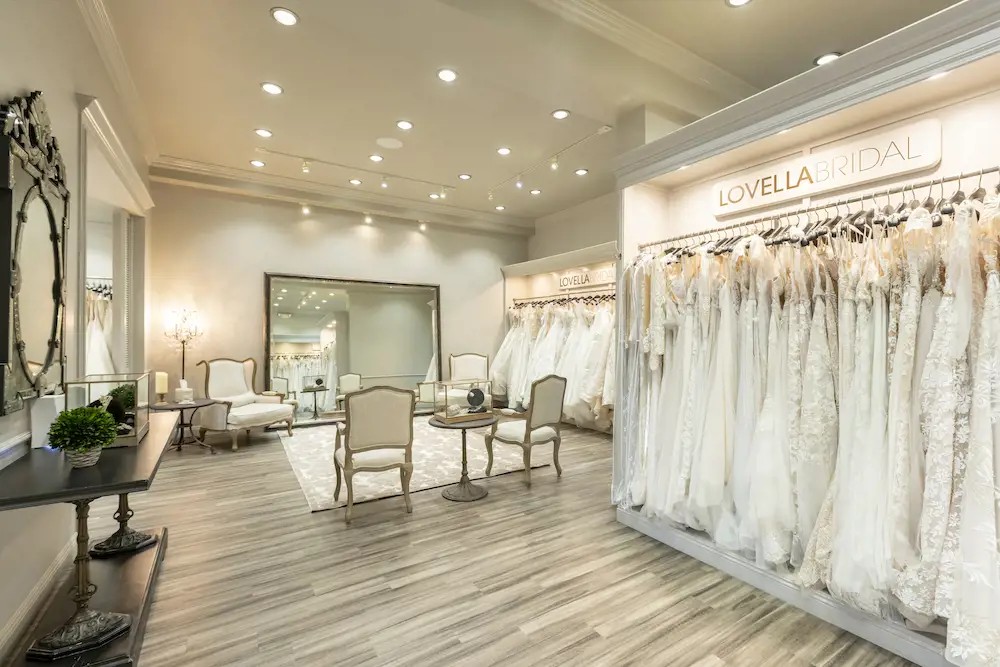
If you're shopping for your perfect wedding dress, come visit us at Lovella Bridal in Glendale, CA. We carry wedding dresses in all sizes and styles, including plus-size bridal gowns and a full selection of veils and accessories. Lovella Bridal is the premier, luxury bridal wedding dress shopping boutique located in Los Angeles, California. Lovella features couture, feminine, modern and chic bridal gowns in all sizes from the best wedding dress designers. Schedule an appointment to find the wedding dress of your dreams at Lovella Bridal. We can't wait to help you!
Meet Lovella’s Wedding Fashion Expert in Los Angeles
Our wedding dress shopping tips and advice are from Nayri, Lovella's own, in-house wedding fashion expert. Nayri is truly the expert when it comes to bridal fashion and wedding style. As the Wedding Fashion Expert, Nayri is the top bridal fashion stylist and the best-selling author of the book "I'm Getting Married And I Have Nothing To Wear," the ultimate guide to helping brides find their wedding day style and their perfect wedding dress. You can subscribe to her YouTube channel or listen to her podcast for more helpful and practical advice on wedding dress shopping.